
How to Create the Perfect Study Environment for Online Learning
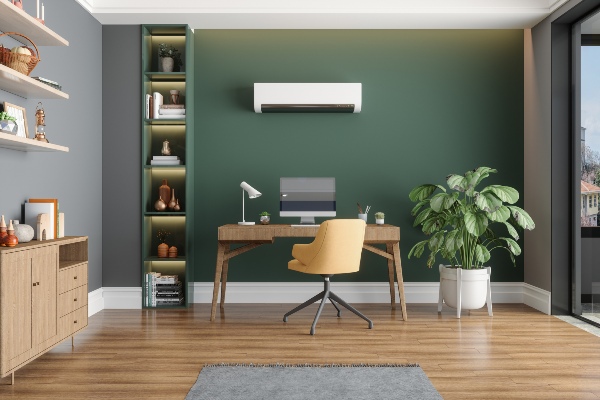
One common reason students are interested in online school is the flexibility it offers — you can take classes and study wherever you want, as long as there is an internet connection. Often, this is at home, where you may be juggling school with being a spouse, parent, or caretaker. The convenience is exceptional, but distractions can be a problem.
One way to stay focused is to create a study environment that minimizes distractions and puts you in the mindset to concentrate. But what exactly does it take to transform a space into a proper study environment, why is it important to have one, and how exactly do you set one up? Let’s find out.
What Is a Study Environment?
A study environment refers to the conditions and surroundings where a person focuses on learning or working. It can represent an actual physical location or even your mental state. Regardless of the type of space or state, a good study environment can improve focus and concentration by minimizing distractions, which can help you retain the information you are learning and ultimately enhance your academic performance.
Consider these features when curating your study environment:
- Good lighting, such as natural light or adjustable lamps, to reduce eye strain
- A quiet environment or light background noise
- An organized workspace with everything you need to study
- Comfortable conditions, such as your chair and desk
What Are Examples of Study Environments?
Ideal characteristics can be easier to establish depending on the type of study environment you're working in. Examples of different environments include a quiet library, a well-organized desk at home, a coffee shop with background noise, or a more social communal workspace.
Depending on each individual's concentration and motivation needs, certain study environments may be more effective than others. However, the ideal study environment suits your personal preferences and helps you stay focused.
Tips for Creating the Perfect Study Environment
Find a Do-Not-Disturb Space
Your time is precious, and interruptions can affect your productivity. Research shows that it can take 23 minutes on average to regain deep focus after being interrupted. Wherever you study, make sure it's as private as possible.
If it's a space in your home, let your housemates know when it's study time and not to disturb you. If you have a spouse or child knocking on your office door every 10 minutes, it may be difficult to get any meaningful work done. You can even hang up a “Do Not Disturb” sign to send a clear message.
If you are going somewhere public to study, consider a private room at a library instead of working in a busy coffee shop.
Remove Distractions
Similar to interruptions, try to minimize any distractions. Study in a place without a TV, bed, snacks, or anything else that can be distracting.
You should also consider putting away your smartphone and avoiding other digital distractions such as social media. A study published in Contemporary Education Technology found that digital distractions can lead to lower grades and GPAs as well as lower overall academic achievement. When studying, ensure you only visit sites and/or apps relevant to your coursework.
Take Short Study Breaks
Taking a short break from learning may actually help strengthen your memory of the material you just covered. Replaying what you learned during your rest period can lead to enhanced performance. This means your study breaks should include activities that allow your mind to go over what you just studied, such as meditation, listening to music, taking a walk, preparing a meal or snack, or simply standing up and stretching.
>>Read More: The Online College Student's Guide to Success: Tips, Tools, and Resources
Embrace Nature and Natural Light
If you are going to decorate your study space, get inspired by nature. Being exposed to indoor plants may lead to “significantly higher academic achievement,” according to an article in the International Journal of Environmental Research and Public Health.
Natural light also helps create an ideal study environment for online learning. If you study during the day, choose a spot near a window. Studies have shown that exposure to daylight in classrooms is associated with improved cognitive performance, attention, and academic outcomes among students.
Don't Get Too Comfortable
Studying at home is convenient, but certain factors, like what you're sitting on or wearing, can make studying less effective.
If you study in bed, for example, you may be tempted to nod off or study in a position that doesn't keep you alert. The same goes for studying on a giant bean bag or comfortable couch. Wearing pajamas can put you in a relaxed mood compared to dressing for class or work.
Put yourself in a study mindset in any environment by wearing daytime clothes and either sitting upright in a chair or standing.
Make Sure Your Study Space Is for Studying
As much as possible, try to limit your activity in your study space to studying. When you're done studying, turn off the computer and leave until you come back to study next time.
For more tips for online students, check out our online learning resources. If you’re ready to learn more about any of the more than 175 online degree programs offered by Purdue Global, request more information today.
See Notes and Conditions below for important information.